
- Start Your Day slowly and Mindfully
- Practice Deep Breathing Throughout the day for Mental peace
- Learn to say No without Guilt
- Reduce Digital App
- Create a Calm Physical Environment
- Practice Gratitude daily
- Take Short Breaks Without Distraction
- Accept That You Cannot Control Everything
- Connect With Yourself Through Reflection
- Prioritize Rest Without Feeling Lazy
Modern life moves fast. Our days are filled with work deadlines, social responsibilities, family duties, and constant digital noise. In the middle of this busy routine, mental peace often feels like a luxury rather than a necessity. Many people believe that peace can only be achieved after everything is “perfect,” but the truth is quite the opposite. Mental peace is not something you find at the end of a busy life; it is something you create within it.
Finding mental peace in today’s hyper-connected, fast-paced world can feel like trying to catch a breeze with a net. We are constantly bombarded with notifications, deadlines, and the pressure to perform. However, tranquility isn’t a destination you reach; it is a quality you cultivate through small, daily choices.Mental peace does not mean a life without problems. It means learning how to stay calm even when life feels overwhelming. It is the ability to pause, breathe, and respond rather than react. In a busy life, finding mental peace is less about escaping responsibilities and more about changing how we relate to them.
In this article, we will explore 10 simple and realistic ways to find mental peace in a busy life. These practices do not require expensive tools, long retreats, or drastic lifestyle changes. They are gentle habits that can be integrated into your daily routine, helping you feel calmer, clearer, and more emotionally balanced. They are listed in the following Below:

- Start Your Day Slowly and mindfully
- Practice Deep Breathing Throughout the Day For Mental Peace
- Learn to say No without Guilt
- Reduce Digital App
- Create a calm physical Environment
- Practice Gratitude Daily
- Take Short Breaks Without Distraction
- Accept That You Cannot Control Everything
- Connect with yourself Through Reflection
- Prioritize Rest without feeling Lazy
let’s talk about listed ways one by one in deeply.
Start Your Day slowly and Mindfully
How you begin your day sets the tone for everything that follows. Many people wake up already feeling rushed—checking notifications, emails, and social media within minutes of opening their eyes. This instantly activates stress before the day has even started. Starting your day slowly does not mean waking up hours earlier. It simply means giving yourself a few moments of presence before entering the busy world. Dedicate the first 30–60 minutes of your day to yourself. Avoid screens. Instead, try light stretching, meditation, or simply enjoying a cup of tea in silence.
You can begin by sitting quietly for five minutes, taking deep breaths, or stretching gently. Avoid your phone during this time. Allow your mind to wake up naturally. This calm beginning helps your nervous system stay balanced throughout the day and creates a sense of inner control. A peaceful morning reminds you that your mind matters just as much as your tasks.
Practice Deep Breathing Throughout the day for Mental peace
Breathing is one of the most powerful tools for mental peace, yet it is often overlooked. When we are busy or stressed, our breathing becomes shallow and fast, sending signals of danger to the brain. Deep breathing slows the heart rate, relaxes the body, and calms the mind. You do not need a special place or long time to practice it.
Whenever you feel overwhelmed, pause and take five slow breaths. Inhale deeply through your nose, hold for a few seconds, and exhale slowly through your mouth. This simple act tells your brain that you are safe. Practicing conscious breathing throughout the day can instantly reduce anxiety and help you regain emotional balance.
If you do meditation or yoga do listen these sound you will find peace and its soothe your brain.
Learn to say No without Guilt
One of the biggest reasons people feel mentally exhausted is overcommitment. Saying yes to everything may seem kind or responsible, but it often leads to burnout and inner resentment. Mental peace requires boundaries. Learning to say no does not make you selfish; it makes you self-aware. When you say yes to everything, you say no to your own well-being. Start by recognizing your limits. Ask yourself if a task or request aligns with your energy and priorities. If it doesn’t, politely decline without over-explaining.
Protecting your time and energy creates space for rest, clarity, and peace. Before accepting a new task or social invite, ask: “Does this align with my priorities, or am I doing it out of guilt?”
Reduce Digital App
We live in a digital world where constant notifications compete for our attention. While technology connects us, it also overstimulates the mind. Too much screen time increases stress, comparison, and mental fatigue. Reducing digital overload does not mean quitting technology entirely. It means using it consciously. Set boundaries for phone usage. Avoid scrolling first thing in the morning and before bedtime. Turn off unnecessary notifications. Take short digital breaks during the day. When you reduce digital noise, your mind becomes quieter, more focused, and more peaceful.
Create a Calm Physical Environment
Your surroundings have a direct impact on your mental state. A cluttered, noisy environment can increase stress, while a clean and calming space supports inner peace. You do not need a perfectly aesthetic home to feel calm. Simple changes can make a big difference. Keep your space clean and organized. Use soft lighting, calming colors, or natural elements like plants. Your environment should feel safe and comforting. When your external space feels peaceful, your internal world often follows.

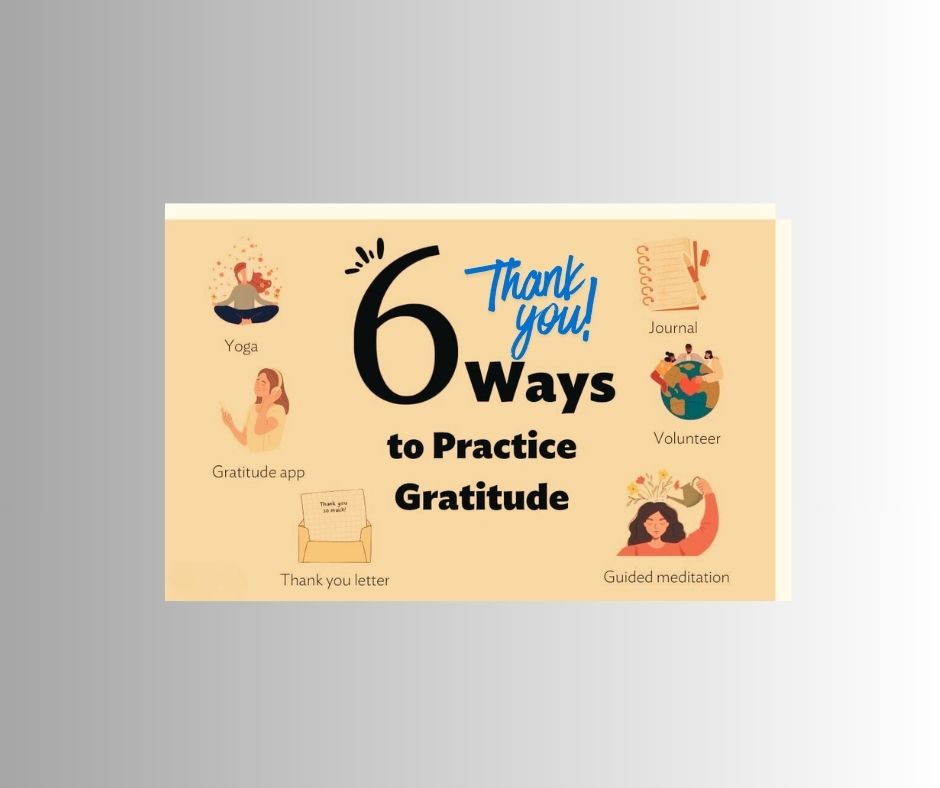
Practice Gratitude daily
Gratitude shifts the mind from what is missing to what is already present. In a busy life, it is easy to focus only on problems, deadlines, and responsibilities. Practicing gratitude helps balance this mindset. It reminds you that even on difficult days, there are moments worth appreciating. Each day, take a few minutes to reflect on three things you are grateful for. They do not need to be big achievements. Simple things like a warm meal, a kind word, or a moment of rest are enough. Gratitude softens the mind and creates emotional stability.
The human brain has a negativity bias—we remember one insult more than ten compliments. Gratitude is the antidote to this bias. Every night, write down three specific things you are grateful for. Not just “my family,” but perhaps “the way the sunlight hit my desk this morning.”
Take Short Breaks Without Distraction
Many people take breaks, but not restful ones. Scrolling on social media or worrying about tasks does not truly refresh the mind. Mental peace requires real pauses. Even short breaks of five to ten minutes can restore clarity if used mindfully. Step away from your workspace. Stretch, walk, or simply sit quietly. Avoid screens during this time. Allow your mind to rest without stimulation. These small pauses prevent burnout and help you return to your tasks with a calmer mindset. Set a “digital sunset.” Turn off your phone or put it in another room at least one hour before bed. Use apps to limit your social media time during the day.
Accept That You Cannot Control Everything
A major source of mental stress is the desire to control outcomes, people, and situations. Life, however, is unpredictable. Trying to control everything creates constant tension. Mental peace comes from acceptance. This does not mean giving up; it means understanding what is within your control and what is not. Focus on your actions, intentions, and responses. Let go of expectations about how others should behave or how things should unfold. Acceptance frees the mind from unnecessary worry and emotional exhaustion.
Connect With Yourself Through Reflection
In a busy life, we often move from one task to another without checking in with ourselves. Over time, this disconnect creates emotional confusion and inner unrest. Self-reflection helps you understand your thoughts, emotions, and needs. Journaling is a powerful way to practice this. Writing allows the mind to release what it holds inside. Spend a few minutes each day reflecting on how you feel. Ask yourself simple questions like, “What do I need today?” or “What drained my energy?” This self-connection brings clarity and inner peace.
Prioritize Rest Without Feeling Lazy
Rest is not a reward; it is a necessity. Many people feel guilty for resting, believing they must always be productive. This mindset leads to chronic stress and emotional fatigue. Mental peace requires rest. Proper sleep, quiet time, and moments of stillness are essential for emotional balance. Allow yourself to rest without guilt. Rest does not mean doing nothing; it means giving your mind and body what they need to function well. When you respect your need for rest, peace becomes more natural and sustainable.
Final words:
Finding mental peace in a busy life is not about escaping responsibilities or achieving perfection. It is about creating balance, awareness, and self-respect within daily routines. Small habits practiced consistently can transform the way you experience life. Mental peace grows when you choose mindfulness over rush, boundaries over burnout, and compassion over pressure. It is a journey, not a destination. At Happy Aesthetic Mind, we believe that peace is not found outside—it is created within, one gentle choice at a time. Mindfulness has been scientifically proven to reduce stress and anxiety.
Let’s Make a summary Table of our listed item in the below;
| Strategy | Action Step | Frequency |
| Morning Routine | No phone for the first 30 mins | Daily |
| Boundaries | Say “no” to one low-priority task | Weekly |
| Mindfulness | Focus on your breath for 2 mins | Every 2 hours |
| Digital Detox | Phone-free hour before bed | Daily |
| Nature | Walk in a park or garden | 3x a week |
Mental peace does not mean a life without noise, trouble, or hard work. It means to be in the midst of those things and still be calm in your heart.
If you wants other mental Health tips You can follow my other post, You can click in the given below link
5 tips for mental peace and positive living
Quote’s of the day;
- “Peace comes from within. Do not seek it without.” — Buddha
- “You have peace,” the old woman said, “when you make it with yourself.” ―Mitch Albom
1 thought on “10 Simple Ways To Find Mental Peace in a Busy Life”