
Table of Contents
In modern life, mental stress, anxiety, and emotional exhaustion have become common problems. Many people search for happiness through external success, money, or social validation, but often overlook the importance of their everyday environment and lifestyle. Aesthetic living is not about luxury or expensive decoration. It is about intentionally creating a lifestyle that feels calm, meaningful, and visually pleasing. From how your room looks to how you start your morning, small choices can strongly influence your mental state. Happy mind cognitive contribution to well being.
Aesthetic living the intentional curation of our surroundings with beauty, harmony, softness, and personal joy is far more than surface-level decoration. In a world that often feels chaotic and overwhelming, embracing an aesthetic lifestyle creates a sanctuary that nurtures the mind, reduces stress, and cultivates lasting happiness. It’s easy to dismiss It is as just a collection of pretty filters or expensive vases, but there’s actually a deep psychological link between our surroundings and our mental state. At its core, It is all about intentionality. It’s the transition from merely “occupying” a space to curating an environment that reflects your values and brings you peace.
This article explains why Aesthetic Living supports a happy mind, using 10 simple reasons, along with real-life examples and daily habits that you can easily apply.
- It helps to Creates Mental Calmness
- Enhances Mood Through Color Psychology and Lighting
- Aesthetic Living Encourages Mindfulness
- It Supports Emotional Expression and Self-Identity
- Strengthens Connection With Nature
- Aesthetic Living Makes Daily Routines Enjoyable
- Encourages Self-Care and Self-Respect
- Aesthetic Living Builds Long-Term Inner Happiness
- Reduced Cognitive Load
- Improves Overall Well-Being and Life Satisfaction
Now let’s Decode one by one so, it helps you to understand more and in a easy way.
It helps to Creates Mental Calmness
One of the most immediate benefits of aesthetic living is mental calmness. A cluttered, chaotic environment often leads to a cluttered mind. When your surroundings are messy or visually overwhelming, your brain is constantly processing excess information, which increases stress and mental fatigue. It encourages simplicity, organization, and visual balance. Clean lines, open spaces, and harmonious colors help the mind relax. When your environment feels calm, your nervous system responds by slowing down, reducing anxiety and restlessness.
Real life example; A person who cleans and arranges their room before sleeping often wakes up feeling lighter and less anxious. so, spend 5 to 10 minutes each night organizing your room or workspace before going to bed.
Enhances Mood Through Color Psychology and Lighting
Colors and light profoundly influence emotions. Soft pastels like blush pink, light purple, or butter yellow helps to calm and joy, while natural daylight boosts serotonin (the mood-stabilizing hormone). Research from fields like interior design psychology shows that bright, aesthetically pleasing rooms with strategic lighting improve mood, reduce depressive symptoms, and increase vitality.
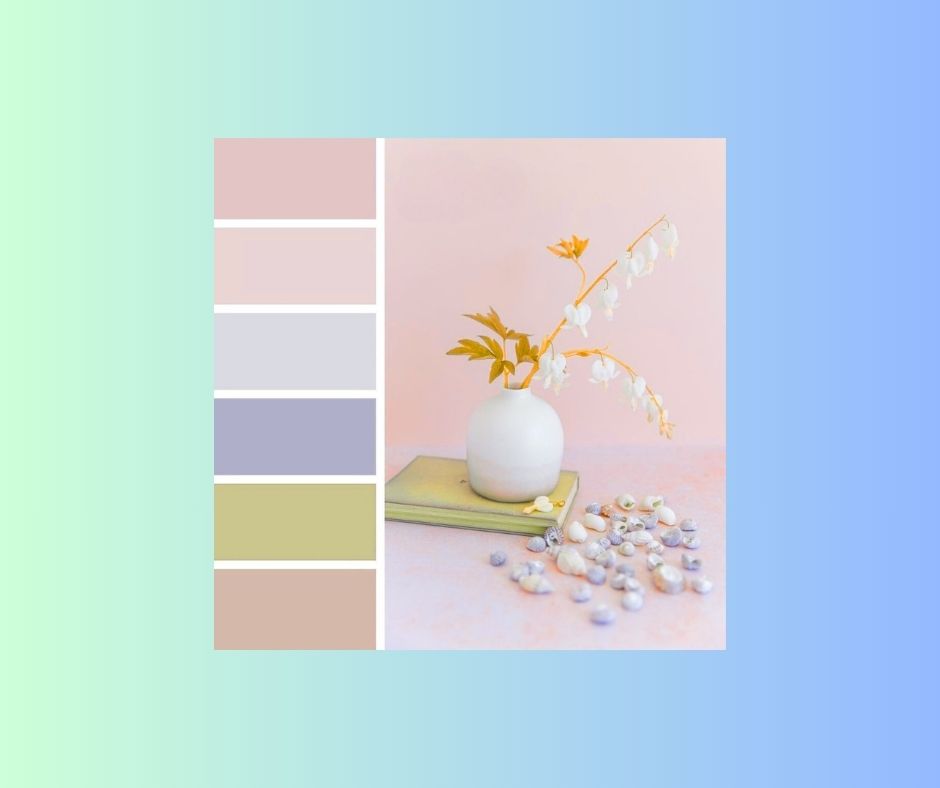
Aesthetically curated spaces often prioritize these elements warm golden-hour glow from sheer curtains, layered soft lamps, or harmonious color palettes creating an uplifting atmosphere. Living in such a space means your daily environment subtly supports happiness, turning routine activities like reading or working into mood-boosting experiences.
Aesthetic Living Encourages Mindfulness
Aesthetic living naturally promotes mindfulness—the practice of being fully present in the moment. When your environment is thoughtfully arranged, you become more aware of your actions, routines, and emotions. Simple aesthetic rituals such as making tea in a calm kitchen, journaling at a tidy desk, or enjoying a quiet morning light encourage you to slow down and be present. These moments of awareness help reduce overthinking and mental noise. Mindfulness is closely linked to happiness because it allows you to appreciate small moments rather than constantly chasing future satisfaction. Aesthetic living gently guides the mind toward this mindful state.
Real life examples: Mindfully preparing breakfast in a clean kitchen feels peaceful rathe than rushed. so, do one daily activity without your phone, fully focusing on the moment.
It Supports Emotional Expression and Self-Identity
Your living space is an extension of your inner self. Aesthetic living allows you to express your personality, values, and emotions through colors, objects, and design choices. This self-expression plays a crucial role in emotional well-being. When your surroundings reflect who you truly are, you feel more comfortable and authentic. This alignment between inner identity and outer environment creates emotional harmony. Feeling understood even by your own space supports self-acceptance. And self-acceptance is a key foundation of a happy and healthy mind.
Real example; someone who loves nature feels happier in a room with plants and natural colours. Decorate your space with items that have personal meaning rather than trends make this your daily habits in your life.
Strengthens Connection With Nature
Many aesthetic living styles incorporate natural elements such as plants, sunlight, wood, and natural fabrics. This connection with nature has a powerful effect on mental health.
Nature-based aesthetics remind the mind of balance, growth, and calmness. Plants improve air quality, natural light regulates sleep cycles, and organic textures create a sense of grounding. Feeling connected to nature even indoors reduces feelings of loneliness and mental fatigue. This connection reduces loneliness, anxiety, and emotional tiredness.
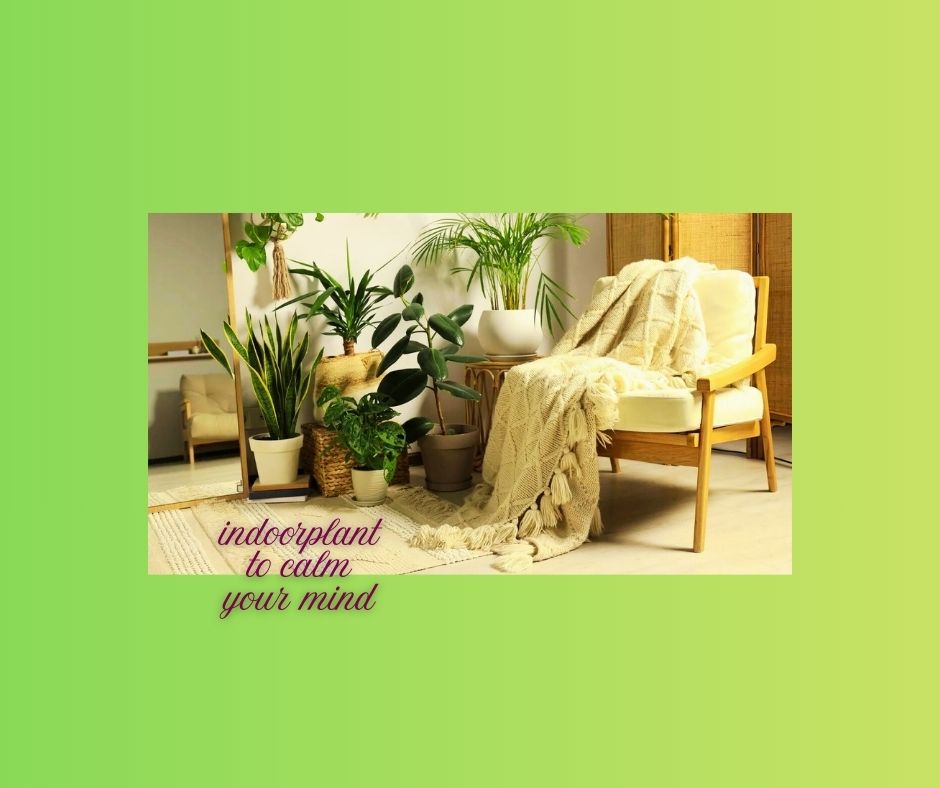
Real life examples; Indoor plants often improve mood and emotional stability. spend at least 15 minutes daily near natural light and green plant.
Aesthetic Living Makes Daily Routines Enjoyable
Happiness is often found in daily routines rather than major life events. Aesthetic living transforms ordinary activities into meaningful experiences. Simple actions like cooking, cleaning, or resting feel more enjoyable in a pleasing environment.
When routines feel beautiful and intentional, the mind resists burnout. Instead of rushing through the day, you begin to appreciate the rhythm of life. This sense of flow and appreciation reduces dissatisfaction and increases long-term contentment, which is essential for a happy mind.
Real life example: using a calm playlist while cleansing makes the task less tiring. make a simple morning or night routine that make you comfortable and enjoy.
Encourages Self-Care and Self-Respect
Aesthetic living is a quiet form of self-care. By creating a space that supports comfort, beauty, and peace, you send a message to yourself that you are worthy of care and attention. Studies indicate that environments reflecting personal identity increase emotional security and happiness. Aesthetic living curating outfits, decor, or even digital spaces with a happy aesthetic reinforces a positive self-image, creating an upward spiral where feeling good externally supports feeling good internally.
This mindset strengthens self-respect and emotional health. When you value your environment, you are more likely to value your mental and physical well-being. Self-care does not always require grand actions. Sometimes, a clean bed, soft lighting, or a calm corner for rest is enough to support emotional healing and happiness.
Aesthetic Living Builds Long-Term Inner Happiness
Unlike temporary pleasures, aesthetic living supports sustainable happiness. It focuses on balance, intention, and inner peace rather than constant external stimulation. It supports a happy mind by aligning our surroundings with our deepest needs for beauty, calm, and meaning. It’s simple, accessible, and profoundly effective a quiet rebellion against chaos in favor of intentional joy. Start small one soft corner, one flower vase, one warm light. Watch how your mind begins to bloom in response. Your happy aesthetic mind isn’t just a vibe it’s a scientifically supported pathway to deeper, more sustainable happiness.
By aligning your environment with your emotional needs, you create a stable foundation for mental well-being. Over time, this stability reduces emotional ups and downs and builds a deep sense of contentment. Aesthetic living teaches the mind to find joy in simplicity, presence, and harmony qualities that define true happiness.
Real life examples: people who live intentionally feel calmer even during stressful periods. reflect for 5 min or you can take more time daily on what made your day peaceful.
Reduced Cognitive Load
Think of your brain like a smartphone. Every piece of clutter, bright “clashing” color, or misplaced object is like an app running in the background. Even if you aren’t using them, they are draining your battery. Cognitive load is the amount of mental effort being used at any given time. When your living space is chaotic, your brain is forced to work overtime. It has to constantly “ignore” the pile of laundry or “filter out” the visual noise of a messy shelf just so you can focus on a simple task. This leads to mental fatigue, irritability, and brain fog.
Aesthetic living reduces this load by:
- Creating Patterns: Symmetry and color coordination allow the brain to recognize a room as a single, harmonious “unit” rather than 100 separate, confusing objects.
- Providing Visual Rest: Neutral spaces or clean surfaces act as “reset buttons” for your eyes, allowing your nervous system to switch from “high alert” to “rest and digest.”
Real life examples: compare a computer screen covered in 50 random icons to one with a clean wallpaper and three organized folders. the clean desktop feels lighter because your eyes don’t have to fight through clutter to find a file.
Improves Overall Well-Being and Life Satisfaction
Beautiful environments correlate with higher flourishing. Studies show that frequent aesthetic experiences link strongly to meaning in life, positive mood, and reduced negative affect. In one exploration, immersion in beauty led to greater well-being across emotional and cognitive domains. Aesthetic living amplifies this by making beauty a constant companion not occasional, but woven into everyday life. The result- Sustained happiness, better resilience against life’s challenges, and a deeper sense of contentment.
It improves overall well-being and life satisfaction by creating harmony between your inner emotions and outer environment. When your surroundings feel calm and meaningful, your mind becomes less stressed and more balanced. For example, a working professional who redesigned their small room with soft lighting, plants, and a clean layout reported better sleep, improved mood, and more motivation at work.
so, conclusion for all Aesthetic living is not about perfection, luxury, or following trends. It is about creating an environment that supports your mental, emotional, and psychological well-being. Through calmness, beauty, mindfulness, and intentionality, aesthetic living gently nurtures a happy mind. By making small, thoughtful changes to your surroundings and routines, you can reduce stress, improve focus, and build emotional balance. Over time, these changes transform not just your space, but your inner world.
In essence, aesthetic living supports a happy mind by aligning our surroundings with our deepest needs for beauty, calm, and meaning. It’s simple, accessible, and profoundly effective a quiet rebellion against chaos in favor of intentional joy. Start small: one soft corner, one flower vase, one warm light. Watch how your mind begins to bloom in response. Your happy aesthetic mind isn’t just a vibe it’s a scientifically supported pathway to deeper, more sustainable happiness.
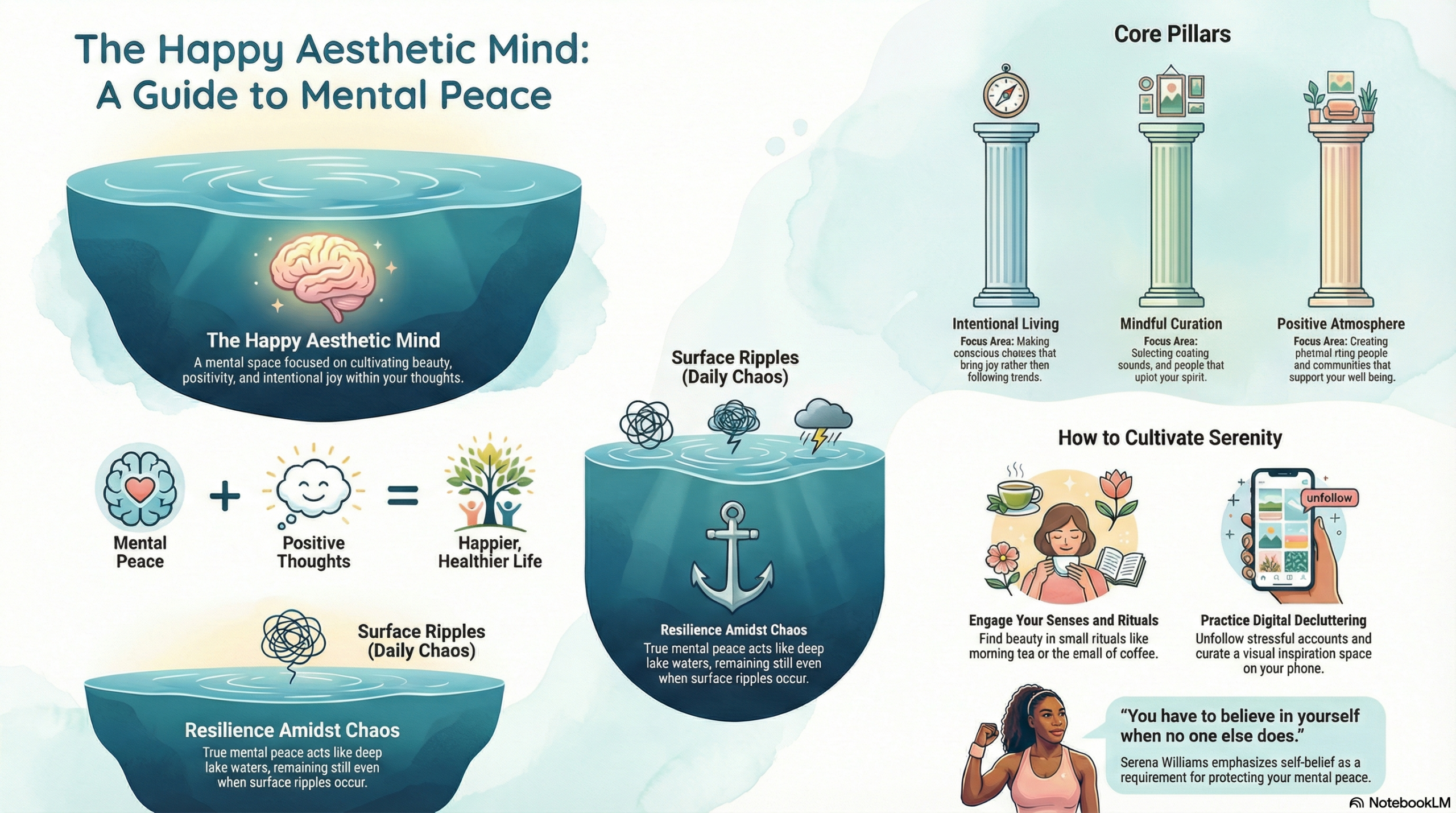
Do follow my other similar post for you perfect mental healthy.